
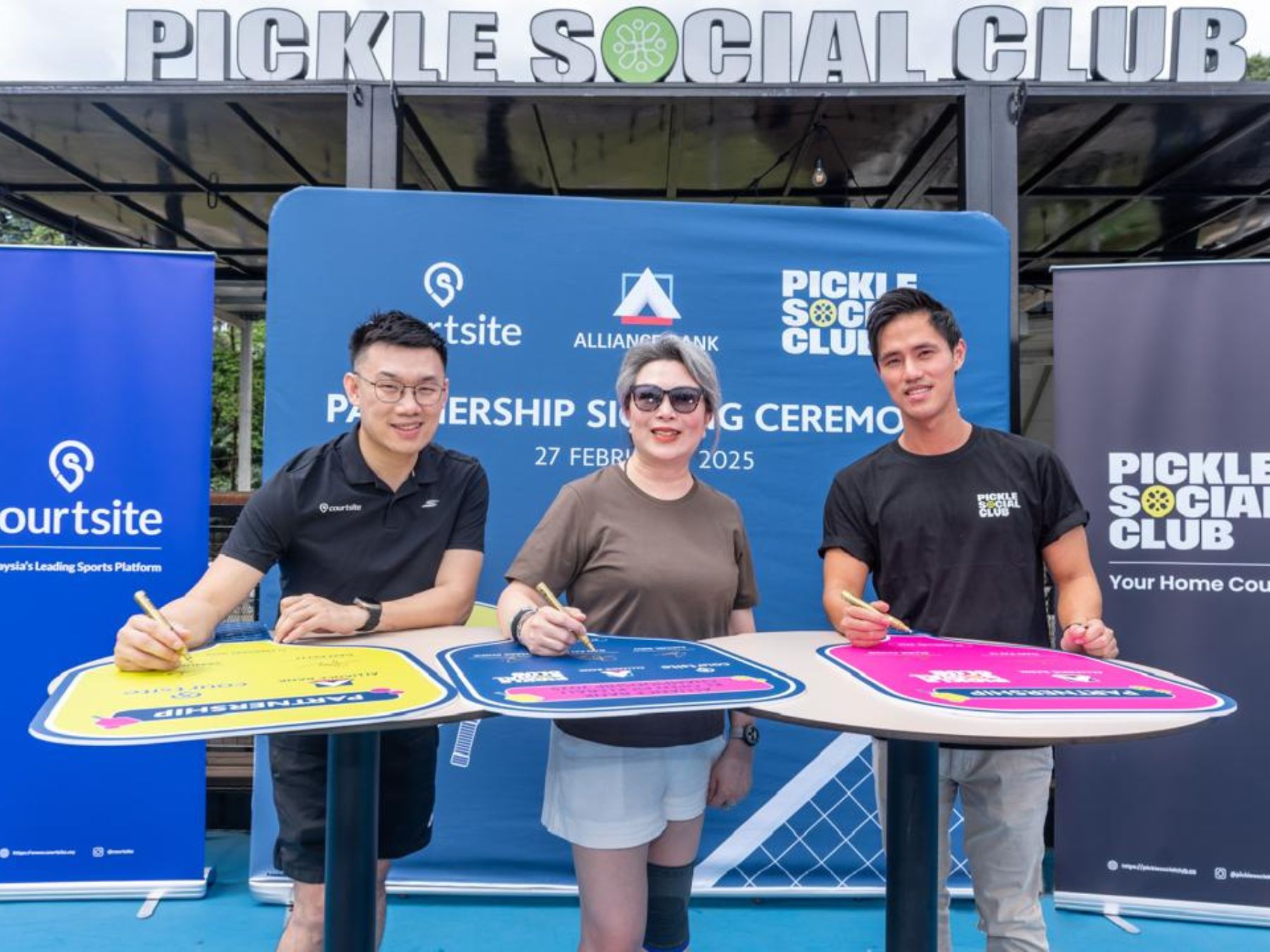
It began over coffee in Mid Valley on 8 January 2025: a proposal for Alliance Bank to become the first bank in Malaysia to champion pickleball. The idea was bold. Making it useful required a partnership built around more than a logo.
Start with the role, not the rights
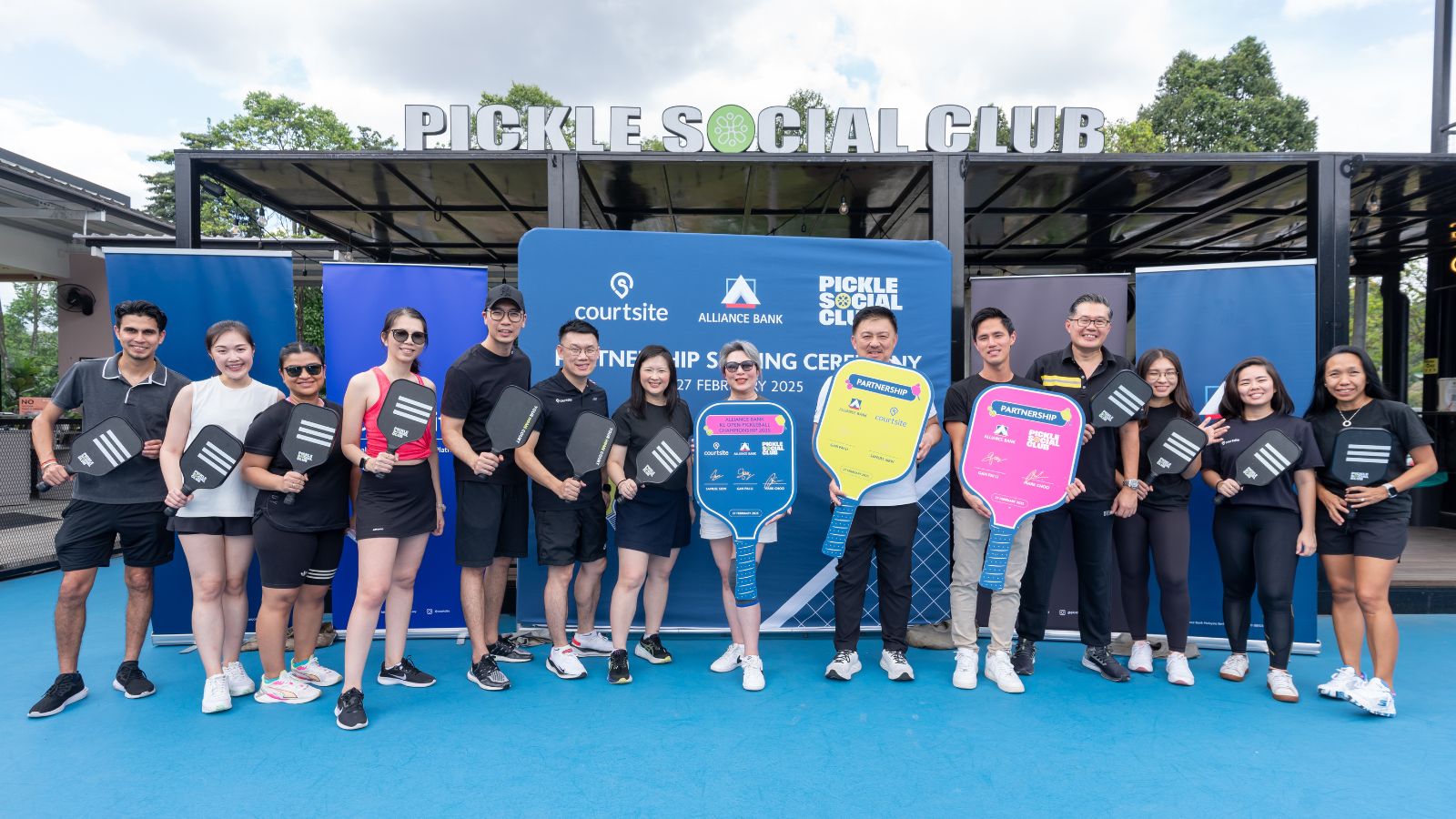
The partnership connected Alliance Bank with Pickle Social Club and Courtsite. It combined a major tournament, an industry summit, priority bookings and cashback for court reservations. Each element served a different part of the same community.
The bank gained a relevant role in an emerging lifestyle. Players received practical value. Venues gained demand. The platform connected the benefits across a national network. The partnership worked because each party could answer the same question: what becomes better because we are doing this together?
The announcement is the smallest part of the work
Between that first conversation and the public launch came the work that partnerships rarely show: aligning objectives, defining responsibilities, managing approvals, building the commercial case and giving every stakeholder a reason to stay committed.
That work is not administration around the partnership. It is the partnership. Trust grows when expectations are explicit and each organisation can see how its contribution supports the shared outcome.
Three tests for a useful partnership
First, does the partnership change behaviour? Cashback and priority access can make it easier for players to return. Second, does it create value for every participant in the system? The player, venue, platform and brand should each gain something meaningful. Third, does it leave the sport stronger? A good partnership creates new capability, relationships or access that can continue after the launch period.
Sponsorship asks what a brand receives. Partnership architecture asks what the organisations can build together. That change in question is where shared outcomes begin.